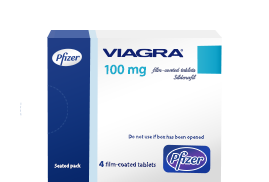
hair loss treatment: available without a prescription?
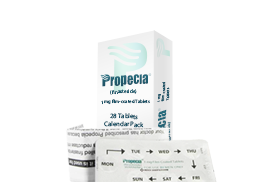
Propecia generic
Watching your hair loss creep forward can feel frustrating and deeply personal, but the right hair loss treatment can make a real difference. For many men, the most reliable option is a prescription plan based on finasteride or minoxidil, and the key is starting early rather than waiting for more loss. The aim is not a miracle overnight change; it is to slow shedding, support hair growth, and give your hair follicles a better chance over time!
That matters because not every cause of hair thinning is the same. Some causes of hair loss are temporary, while male pattern baldness is usually a long-term genetic process driven by dht. If you know what type of hair loss you have, you can choose a more effective plan and avoid wasting time on weak remedies.
What hair loss treatment is and how it works
The best hair loss treatment depends on the causes of hair loss. In male pattern baldness, the hair follicles gradually shrink, which means the hair becomes finer and shorter before it eventually stops growing. This type of male pattern hair loss is also called androgenetic alopecia, and it is the most common form of baldness in men. A good hair loss treatment aims to stop hair from thinning further and may help restore some density.
In contrast, some types of hair loss are caused by illness, stress, low iron, thyroid problems, or alopecia areata, where the immune system attacks the follicles. Those causes of hair need a different approach. Sudden shedding, patchy alopecia, pain, scaling, or scarring should not be treated as routine male pattern baldness until a clinician confirms the diagnosis.
Which treatments help male pattern baldness?
When people ask about the best treatment for hair loss, the answer with the strongest evidence is usually prescription finasteride or topical minoxidil. These are the most consistently recommended hair loss treatments for male pattern baldness, and they can both help stop hair from getting thinner if used correctly. Many men also use them together because the two medicines work in different ways.
- Finasteride lowers dht, the hormone that drives follicle miniaturisation in male pattern baldness.
- Minoxidil supports hair growth and can stimulate dormant follicles to produce thicker strands.
- Used early, these hair loss treatments may slow progression and improve the look of thinning areas.
- They are most effective when used daily and continued long term.
These hair loss treatments are not instant fixes. Most people need several months before they notice a change, and results are better when treatment starts before the baldness becomes advanced. For many men, the goal is not to cure hair loss permanently, but to restore hair density as much as possible and keep what they have.
Finasteride: how it helps stop hair loss
Finasteride is a prescription medicine for male pattern baldness and is often used as hair loss finasteride treatment in men. It works by blocking the enzyme that converts testosterone into dht. Lower dht levels can slow the shrinking of hair follicles, which is why many men notice less shedding and a steadier hairline over time. For some, finasteride hair changes are subtle; for others, they are more noticeable.
A typical prescription is finasteride 1 mg once daily, and it is usually taken every day at the same time. If you are given a prescription for finasteride, it is important to stay consistent because missed doses can weaken the effect. A generic finasteride product usually contains the same active ingredient as brand-name Propecia, and the generic form is often cheaper than Propecia. That makes long-term treatment more manageable for many men.
Minoxidil: how it supports hair growth
Minoxidil is another core hair loss treatment, usually used as topical minoxidil in foam or solution form. You may see minoxidil 5 percent or 5 percent minoxidil products, which are commonly used for male pattern baldness. It appears to extend the growth phase of the hair cycle and can improve hair growth in areas that are thinning rather than completely bald.
People often ask when minoxidil starts to work. The answer is patience: visible change may take six months or longer, and some men need several months before they can tell whether it is helping. In some cases, there can be an early shed before improvement begins, which can be unsettling but does not always mean the treatment is failing. Like finasteride, it needs ongoing use to keep the benefit.
Finasteride vs minoxidil: which hair loss treatment is better?
For male pattern baldness, finasteride and minoxidil are not direct substitutes. Finasteride targets the hormonal driver, while minoxidil mainly supports hair growth. If the goal is to stop hair loss from progressing, finasteride is often the stronger choice. If the goal is to improve visible density, minoxidil can be very useful, especially when follicles are still active.
For many men, the most effective plan is combination therapy. Used together, these hair loss treatments may improve results hair by helping to restore hair and stabilise the underlying baldness process. That said, not every person is suitable for both medicines, and the right treatment plan should be guided by a clinician who understands the causes of hair loss.
What hair loss treatments do not work well?
There are many products marketed as quick hair loss treatments, but the evidence is much weaker than for prescription options. Supplements, biotin, herbal capsules, “DHT blockers,” and special shampoos may improve the look or feel of the hair, but they usually do not change genetic male pattern loss in a meaningful way. They may help overall hair care, but they rarely stop hair thinning on their own.
That does not mean lifestyle is irrelevant. Getting enough protein, iron, sleep, and calories matters for general health and can help if poor nutrition is one of the causes of hair loss. But good habits alone rarely reverse male hair loss. If a product promises to cure hair loss quickly, improve hair overnight, or regrow large areas of baldness without evidence, it is best to be sceptical.
How to use hair loss treatment safely
If you are prescribed finasteride, the usual advice is to take finasteride every day. If you are advised to use minoxidil, follow the instructions for the exact formulation, because minoxidil foam and minoxidil solution are not applied in exactly the same way. Consistency matters more than perfection: missed applications can slow progress and make it harder to judge whether the hair loss treatment is working.
It is wise to review your progress after six months. Some men see less shedding earlier, but visible hair regrowth often takes longer. If you stop treatment, the benefit usually fades and hair falls back into the old pattern over time. In other words, to stop hair loss for the long term, the treatment regimen usually needs to continue.
Warnings and contraindications
Not every hair loss treatment suits every person. Before starting, an online doctor or GP should confirm the diagnosis and check for risks. This matters because different types of hair loss need different care, and the wrong medicine may delay the right diagnosis. In Ireland, a qualified online doctor can be a practical first step, especially when access to a hair loss clinic is limited.
- Finasteride is not suitable for women who are pregnant or may become pregnant.
- Minoxidil should not be used on irritated or broken skin.
- Tell your clinician about any previous side effects from similar medicines.
- Seek advice if you have alopecia areata, scarring alopecia, or another suspected cause of hair loss.
Where can people in Ireland get advice or treatment?
For hair loss treatment Ireland options, many people start with a GP, dermatologist, or a trusted online doctor. That route is useful for checking the causes of hair loss, discussing the right medication for hair loss, and deciding whether finasteride, minoxidil, or another plan is appropriate. A reputable service such as edpilula can also help people understand their options before they choose a treatment.
If you are comparing loss treatment Ireland services, look for medical review, clear dosing guidance, and follow-up rather than flashy promises. A good clinician will explain that hair loss treatments need time, that male pattern baldness is usually chronic, and that results are more realistic when you start early and stay consistent. That kind of support is often more valuable than any single product.
When should you see a doctor about hair loss?
You should see a clinician if your hair loss is sudden, patchy, painful, scaly, or accompanied by illness, fatigue, or weight change. These are not typical male pattern baldness signs. They may point to alopecia areata, thyroid disease, low iron, infection, or another medical cause. The sooner you find the real cause of hair shedding, the sooner you can choose the right hair loss treatment.
It is also worth seeking advice if you are unsure whether you have male pattern thinning or another condition, if over-the-counter hair loss treatments have not helped, or if you want a medically supervised plan. A dermatologist or online doctor can help confirm the diagnosis, review finasteride suitability, and decide whether minoxidil or a combination approach is best.
- Finasteride and minoxidil are the most evidence-based hair loss treatments for male pattern baldness.
- Most results take several months, and full improvement may take six months to a year.
- Stopping treatment usually means losing the gains.
- Supplements and shampoos may support hair care, but they rarely stop hair loss alone.
- If shedding is sudden, patchy, painful, or scarring, get medical advice promptly.