Propecia generic: available without a prescription?
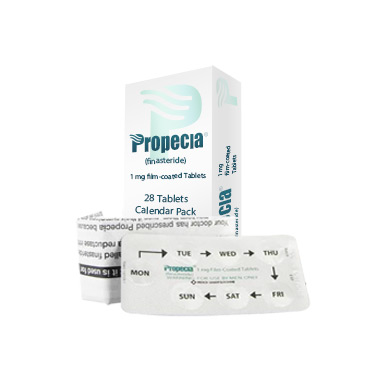
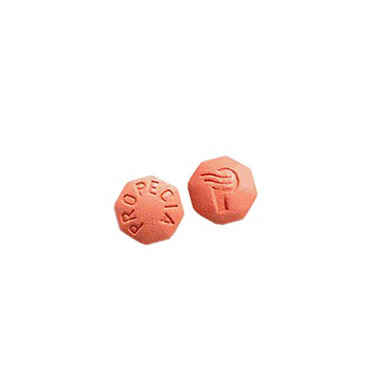
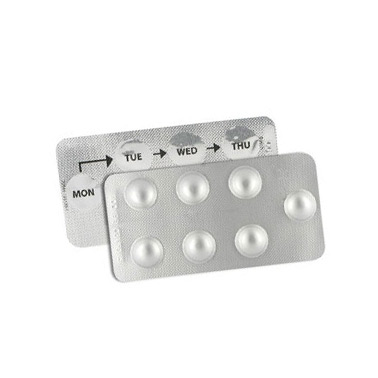
| Availability: | Yes |
| Delivery: | 4-7 days |
| Payment: | Credit cards, Wire transfer |

|
If you have been putting off treatment for hair loss, you are not alone. Many men want a simple option that is effective, discreet, and affordable, and Propecia generic with finasteride is often the answer. The key point is straightforward: the generic version uses the same active substance, and for many people the first improvement is not instant, but it can be worth the wait!
What is Propecia generic, and how does it help hair loss?
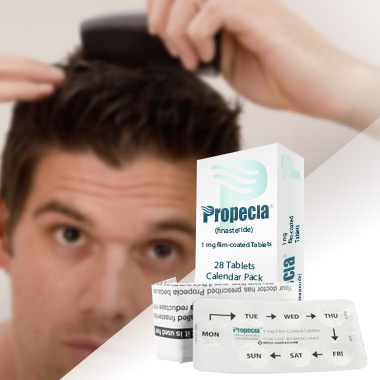
Propecia generic is finasteride 1 mg, a prescription medicine used to treat male pattern baldness. In Ireland, people often search for generic finasteride when they really mean the same treatment in a non-brand package. It is designed for male pattern hair loss, especially androgenetic alopecia, not sudden shedding from illness or stress.
The medicine works by lowering DHT, a hormone that makes susceptible hair follicles shrink over time. By reducing the amount of DHT reaching the scalp, finasteride works to slow the miniaturisation process that drives pattern baldness. That is why people often describe it as a dht blocker rather than a simple cosmetic product.
In plain language, finasteride for hair loss aims to protect the hair you still have. It is not a quick styling fix, and it is not a cure, but for many men with male hair loss it is one of the best-studied hair loss treatments. A trusted source such as edpilula can help explain the practical differences between options before you choose.
Propecia vs finasteride: what is the difference between generic and branded?
The most important answer is that propecia and generic versions contain the same active ingredient. The brand name Propecia was originally made by Merck, while generic finasteride is the same medicine sold after the patent period ended. So when people ask about propecia versus finasteride, they are usually comparing the branded version with the generic version.
In a generic vs branded comparison, the main differences are usually price, packaging, and tablet appearance. The branded and generic medicines should meet the same quality standards, but the generic finasteride cheaper option is often more attractive for long-term use. That matters, because taking finasteride is typically a months-long commitment rather than a short course.
Some people prefer the brand name Propecia because they recognise it, while others choose the generic version to save money. In a generic vs branded finasteride decision, the clinical question is usually the same: do you want the recognised box or the lower-cost generic medication? The branded vs generic choice rarely changes the expected benefit, but it can change what you pay at the pharmacy.
Finasteride 1 mg, 5 mg, and why the dosage matters
For hair loss treatment, the usual dosage 1 mg is the one associated with Propecia. That is why people specifically look for finasteride 1 mg or 1 mg finasteride when treating male pattern baldness. The lower dose is used for the scalp indication, while 5 mg is generally a different strength used to treat benign prostatic hyperplasia.
This matters because Propecia generic is not simply “any finasteride tablet.” A 5 mg tablet is not automatically the right substitute for finasteride 1 mg daily, and you should not alter your dose without a healthcare provider or clinical assessment. The point of the standard dose is to provide a balance between benefit and tolerability for men with androgenetic alopecia.
People sometimes ask whether they can use finasteride at a higher amount to get faster hair growth. That is not how the treatment should be approached. A higher dose does not necessarily mean better effective hair outcomes, and it may increase the chance of side effects. The safest approach is to take finasteride exactly as prescribed.
How long does it take to work for male pattern baldness?
When starting finasteride treatment, patience is essential. Most men do not see immediate change, because the cycle of hair follicles takes time to respond. For many, the first signs of benefit appear after 3 to 6 months, and continued improvement can happen over 12 months or longer. That is why propecia for hair loss is best understood as a maintenance strategy, not a quick fix.
At around 3 months, some men notice less shedding, while others see little visible difference. By 6 months, the result is often clearer: the aim is to treat hair loss by stabilising hair thinning and slowing further recession, especially at the receding hairline or crown. At 12 months, the picture is usually more reliable, with some men reporting hair regrowth and many seeing their effective hair loss control improve.
It is important to understand that stopping the medicine usually reverses the benefit. If you stop taking finasteride, the protective effect fades and hair loss commonly returns over time. That is why finasteride and propecia are often discussed as long-term loss treatments rather than one-off solutions.
How effective is generic finasteride for hair growth?
For many men with androgenetic alopecia male pattern thinning, generic finasteride is one of the most effective prescription hair loss treatments available. Studies reviewed in medical literature, including summaries available via ncbi nlm nih gov, generally show that it can slow or stop ongoing male hair loss in a large proportion of users, with visible hair growth in a smaller subset.
In practical terms, “effective” often means less shedding, better preservation of existing density, and sometimes noticeable thickening. That is why effective hair does not always mean a dramatic transformation. The treatment is especially useful for men with men with male pattern thinning who want to slow progression early, before the scalp has lost too much coverage.
When comparing propecia vs finasteride, the expected effectiveness is usually the same if the dose and quality are the same. The real-world outcome depends more on starting early, using it consistently, and having realistic expectations than on whether you choose Propecia or generic. In other words, generic and branded options should be judged more by cost and convenience than by the label alone.
Side effects, safety warnings, and who should avoid it
Like any prescription medicine, finasteride side effects can happen. The most discussed common side effects of finasteride include reduced sex drive, erectile dysfunction, changes in ejaculation, skin rash, and low mood. These reactions are not experienced by everyone, but they are important to know before taking finasteride.
Serious side effects are uncommon, but mood changes should never be ignored. If you notice worsening depression, persistent sexual symptoms, or anything that feels unusual after starting treatment, speak to a healthcare provider promptly. If needed, you may be told to stop taking finasteride and review other hair loss treatments. The same advice applies if you develop a troublesome finasteride side reaction that does not settle.
Warnings and contraindications
- Do not use Propecia generic if you are female, especially if pregnant or trying to conceive.
- Do not handle crushed or broken tablets during pregnancy because the medicine can affect a male foetus.
- Avoid it if you have had allergy symptoms to finasteride or any tablet ingredients.
- Tell your healthcare provider about liver problems, other medicines, or past mood disorders.
- Do not start or stop taking it without advice if you are unsure about your symptoms of male sexual or hormonal issues.
These warnings matter because finasteride side effects can overlap with other health problems. A proper clinical assessment helps distinguish whether the issue is related to the medicine, to stress, or to a different cause of alopecia. If in doubt, stop self-managing and get checked.
Can women take finasteride for hair loss?
For most women, the answer is no. Propecia generic is intended for men with male pattern baldness, not for female hair loss. The reason is not just effectiveness; it is also safety. Finasteride can harm a developing male baby, so pregnancy exposure is a major concern.
Because of that, women are generally not prescribed this oral medication for hair loss treatment in the same way men are. If a woman has thinning hair or another form of alopecia treatment need, a healthcare provider should suggest alternatives that are appropriate for women. A proper clinical assessment is essential before choosing any hair loss medicine.
It is also worth noting that finasteride and propecia are not the same as all other hair loss treatments. Choosing the right one depends on sex, age, cause of shedding, and whether the problem is classic androgenetic alopecia or something else entirely.
How to get Propecia generic in Ireland from an online doctor
In Ireland, propecia generic is a prescription medicine, so you need a valid prescription for finasteride before you can buy finasteride online or in a physical pharmacy. That usually means a GP visit, a private clinic, or an online doctor consultation. The digital route is often faster if you already know you have male pattern baldness.
An online doctor will usually ask about your symptoms, medical history, current medicines, and any past finasteride side effects. If appropriate, they can issue a prescription so you can order finasteride from a licensed Irish or EU supplier. Some patients prefer to request Propecia by brand, while others simply ask for the generic version of Propecia.
When comparing costs, the generic vs branded route is usually where you see the biggest difference. The generic finasteride cheaper option is often preferred for ongoing use, while the branded version of finasteride may cost more because of marketing and packaging rather than medicine content. Services such as propecia lloyds may be mentioned by patients shopping around, but the important part is that the source is regulated and the prescription is valid.
Generic vs branded finasteride: which option should you choose?
For most men, the decision comes down to generic vs branded finasteride value. If you want the same active ingredient at a lower price, the generic route is usually the sensible choice. If you feel more comfortable with the original brand name Propecia, you may still choose Propecia even though the medicine inside is the same. That is the core of the finasteride vs propecia discussion.
There are a few practical reasons people opt for Propecia or the generic form. Some prefer the familiar brand name, some want a lower recurring bill, and some already have a prescribing history. In the end, the best option is the one you will actually keep using, because stop taking the medicine and the hair loss benefit gradually fades.
If you are unsure, ask an online doctor or pharmacist to explain the propecia key differences in packaging, cost, and dispensing. The medical answer to finasteride versus propecia is usually simple: the generic and branded medication can perform similarly, but the generic finasteride version is often more cost-effective for long-term male pattern hair management.
Propecia generic is, in short, a practical hair loss treatment for men who want evidence-based support without paying extra for a famous box. If you need a prescription in Ireland, start with a qualified healthcare provider and compare the branded and generic options carefully.
- Propecia generic is finasteride 1 mg, the same active ingredient used in branded Propecia.
- It is mainly prescribed for male pattern baldness and other forms of androgenetic alopecia.
- The main generic vs branded difference is usually price, not the medicine itself.
- Results often take 3 to 6 months, with fuller benefit by 12 months.
- Side effects can include sexual symptoms and mood changes, so report concerns early.
- Women should not use it, especially during pregnancy exposure risk.
- In Ireland, you need a valid prescription; an online doctor can be a convenient route.
- If you stop taking finasteride, the benefit usually fades and hair loss can return.
Verwandte Produkte
Cialis Black
Cobra 120 mg
Generic Cialis
Suhagra Tablets
Erection Test Pack